


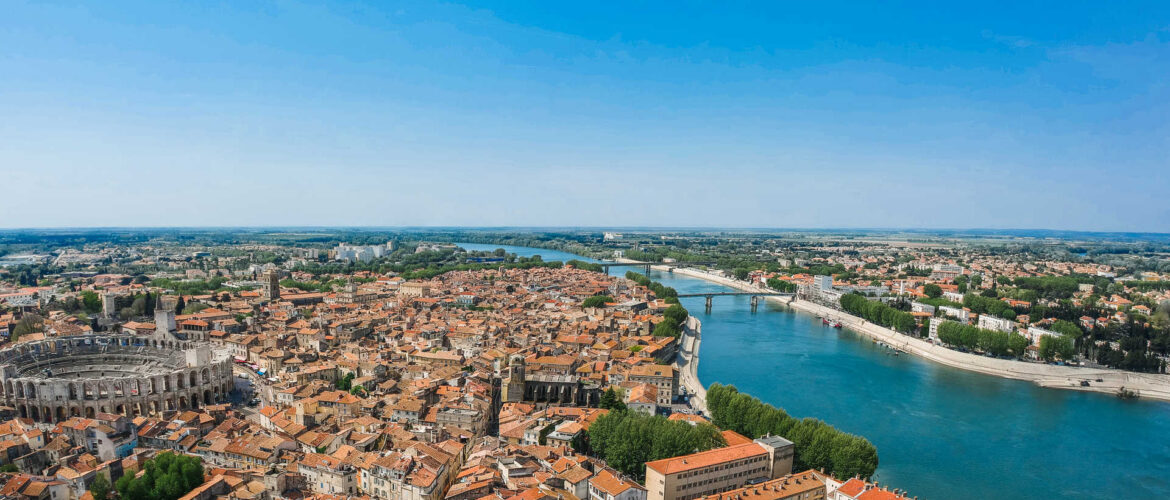
Arles, a city steeped in history, bathed in light and deeply imbued with art, is one of the places you simply must not miss during a stay in Provence. With its remarkably well-preserved Roman ruins, charming alleyways, major cultural events and unique artistic heritage, Arles offers a day out full of discoveries.
Take a day to explore the iconic monuments, follow in Van Gogh’s footsteps and be enchanted by the special atmosphere of this Provençal town, just an hour’s drive from our holiday home.
Arles, a historic city in the heart of Provence
Arles, situated on the edge of the Camargue, between the Rhône delta and the characteristic landscapes of Provence, is a city with an exceptional heritage that appeals to history buffs as well as lovers of culture and authenticity. The city is a UNESCO World Heritage Site and possesses a unique identity shaped by over two thousand years of history. Founded in antiquity, it subsequently flourished under the Roman Empire. Today, numerous traces of its illustrious past remain.
On a day trip to Arles, you’ll discover a city where every street tells a story of a bygone era, where ancient ruins blend with lively squares and sun-drenched Provençal façades. The unique atmosphere, which is at once elegant, artistic and deeply Mediterranean, makes for a memorable visit during a holiday in the South of France. With its architectural heritage, local traditions and vibrant culture, Arles offers a fascinating immersion in Provençal culture.
Arles and its exceptional Roman heritage
Arles, one of France’s best-preserved ancient cities, impresses with the richness and diversity of its historical heritage. The town’s development dates back to Roman times, when the town, then known as Arelate, occupied a strategic position on the Rhône and served as a major political and commercial centre of the Empire. Even today, visitors can still admire a remarkable collection of remains that bear witness to this golden age.
Discovering Arles and its Roman monuments means delving into nearly twenty centuries of history through exceptional sites. The remains of the ancient theatre, the underground cryptoporticoes, the Baths of Constantine and the city walls bear witness to the city’s importance in antiquity.
The cryptoporticoes form the substructure, the hidden part of the forum, the central public square of a Roman city. Those in Arles consist of three galleries; the current walking level corresponds fairly closely to that of the ancient city floor, which was considerably lower. This unique concentration of historical monuments gives Arles a special atmosphere, where the Roman past remains ever-present as you stroll through the city. For heritage enthusiasts and curious visitors alike, this exploration of ancient history is one of the highlights of a visit to the city.
The Arles Amphitheatre, the city’s iconic monument
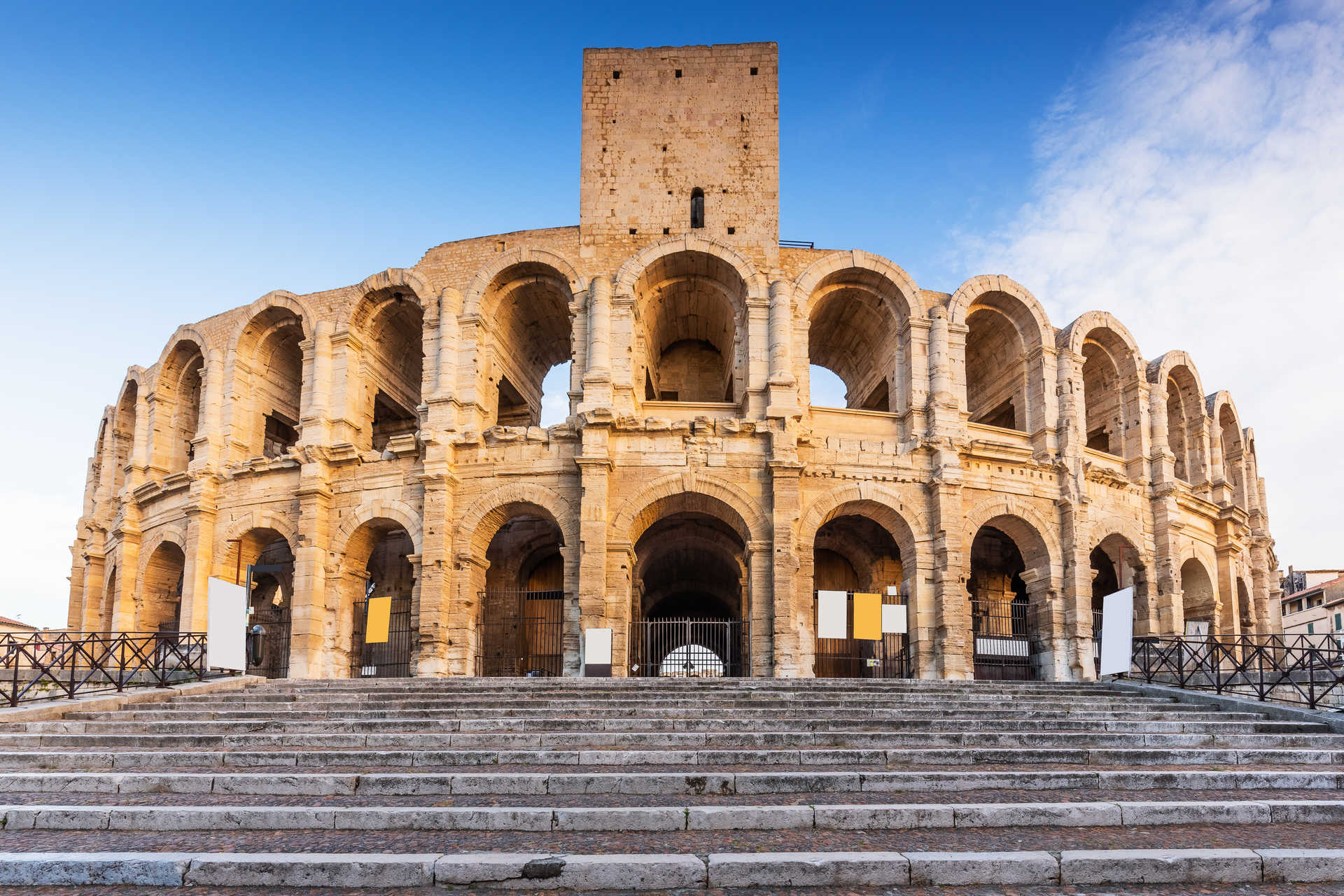
It is impossible to talk about the city without mentioning its most famous monument. The Roman amphitheatre, a true symbol of Arles’ heritage, has towered over the historic centre for almost two thousand years. Built at the end of the 1st century, it could seat over 20,000 spectators who came to watch the games and spectacles of antiquity. The amphitheatre is perfectly integrated into the cityscape and today stands as one of the most impressive examples of Roman architecture in Provence.
You must visit the Arles Amphitheatre to get a deeper insight into the fascinating history of this exceptional structure, from its role in antiquity to its transformation into a veritable inhabited fortress in the Middle Ages. As you stroll past the stands, the galleries and the central arena, it is easy to imagine the liveliness that once characterised this place. Even today, this monument is still very much alive, as numerous events are organised throughout the year, ranging from horse shows and concerts to cultural events and Camargue traditions. An unmissable stop for anyone wishing to discover the historic and festive soul of Arles.
Stroll through the historic centre of Arles
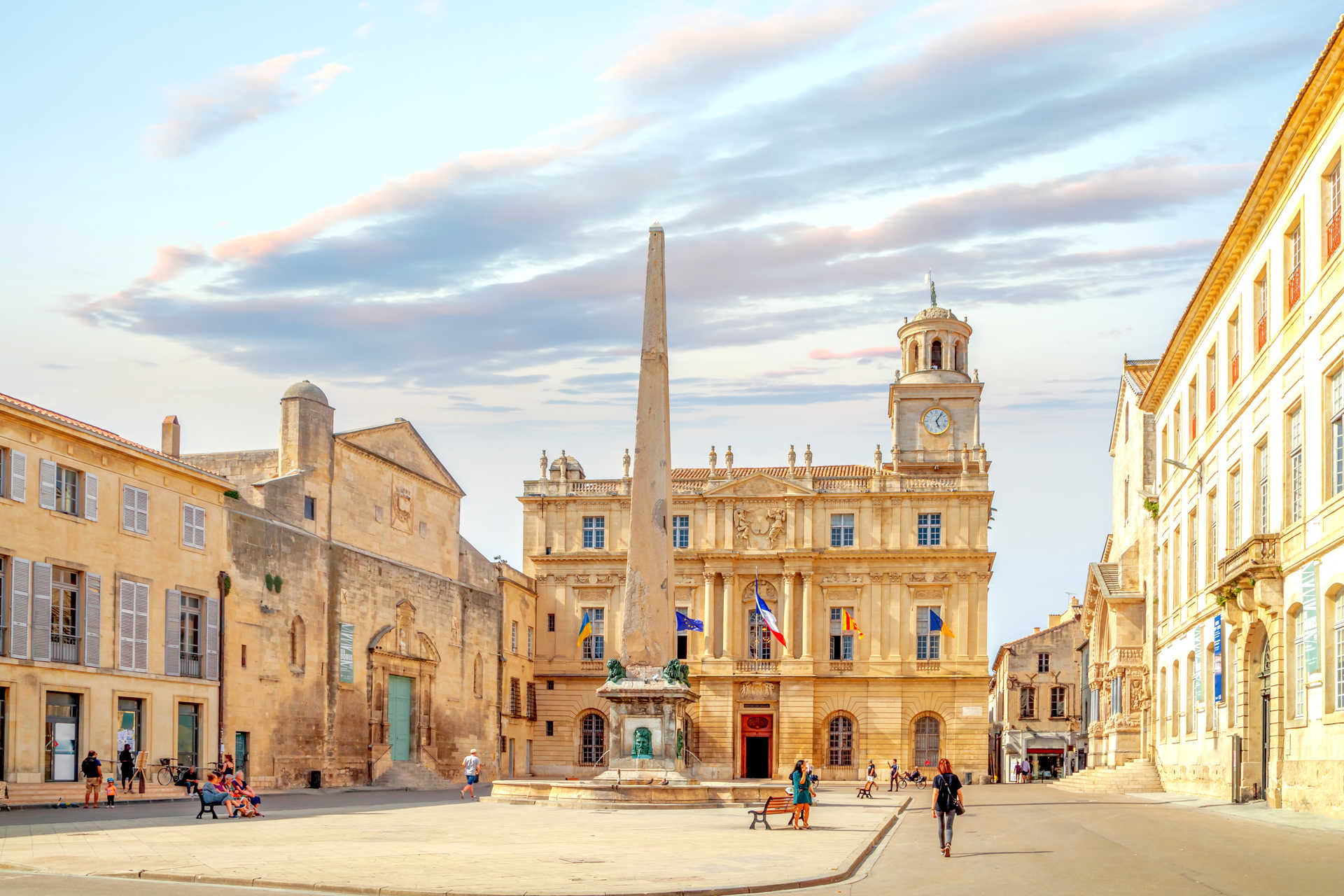
As well as its ancient monuments, Arles is a place to be discovered through its cobbled alleyways, shady squares and quintessentially Provençal atmosphere. The historic centre invites you to take a stroll past old façades, mansions, small shops and cosy terraces where it’s lovely to pause for a moment. Here, every detour reveals an architectural detail, a charming little square or a relic that recalls the city’s rich past.
For those wondering what to do in Arles: a simple stroll through the old town is an experience in itself. The Place du Forum, made famous by Van Gogh, the majestic Saint-Trophime Cathedral with its remarkable cloister, or the quays of the Rhône are all must-see sights. If you take the time to wander around, you’ll discover the unique character of Arles: a city where heritage, the good life and Provençal culture blend naturally, creating an atmosphere that is at once elegant, authentic and welcoming.
In the footsteps of Van Gogh in Arles
A visit to Arles also means following in the footsteps of one of the world’s most famous painters. Vincent van Gogh arrived in the city in 1888 and experienced a particularly intense and productive period in his career here. Fascinated by the Provençal light, the vibrant colours and the unique atmosphere of the place, he produced more than 300 works here in just a few months. This period in Arles had a profound influence on his work and led to some of his most iconic paintings.
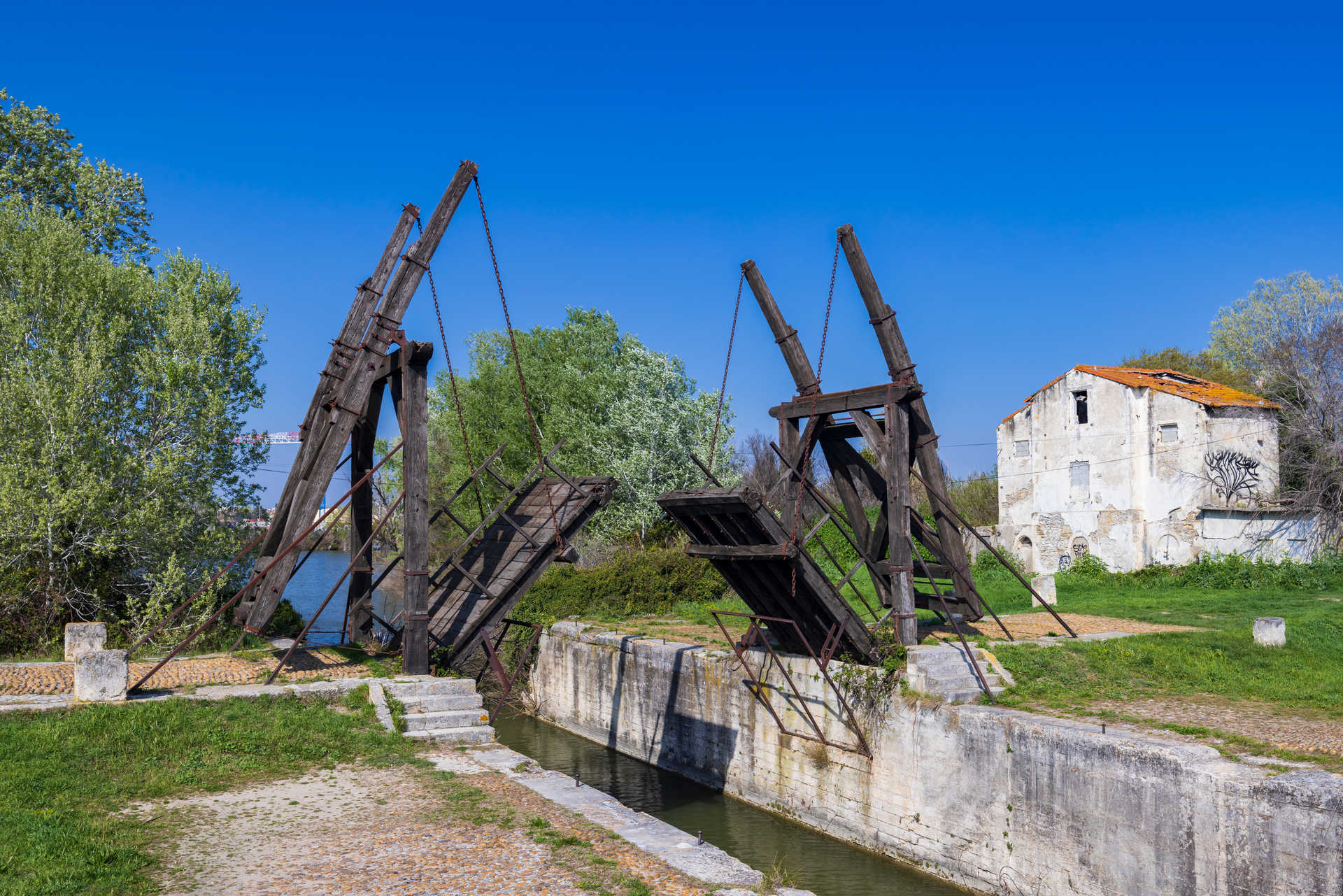
Discovering Van Gogh in Arles means embarking on a true artistic journey through the city. Various locations have been immortalised by the painter, such as the Place du Forum, depicted in his famous Café Terrace at Night, or the quays of the Rhône. Just a few minutes from the city centre, in the south of the city, the famous Van Gogh Bridge, formerly known as the Pont de Langlois, is also an unmissable attraction. It is this typically Provençal drawbridge that inspired the artist to create several important paintings. Although it is not the original bridge, the location still conveys the atmosphere of the landscape that so fascinated the painter.
A signposted route now allows you to compare the current landscapes with reproductions of his works displayed on site. This unique experience gives you a better understanding of the deep connection between the artist and the city, whilst offering an original way to explore Arles. This walk is an absolute must for both art lovers and landscape enthusiasts.
Arles, the international capital of photography
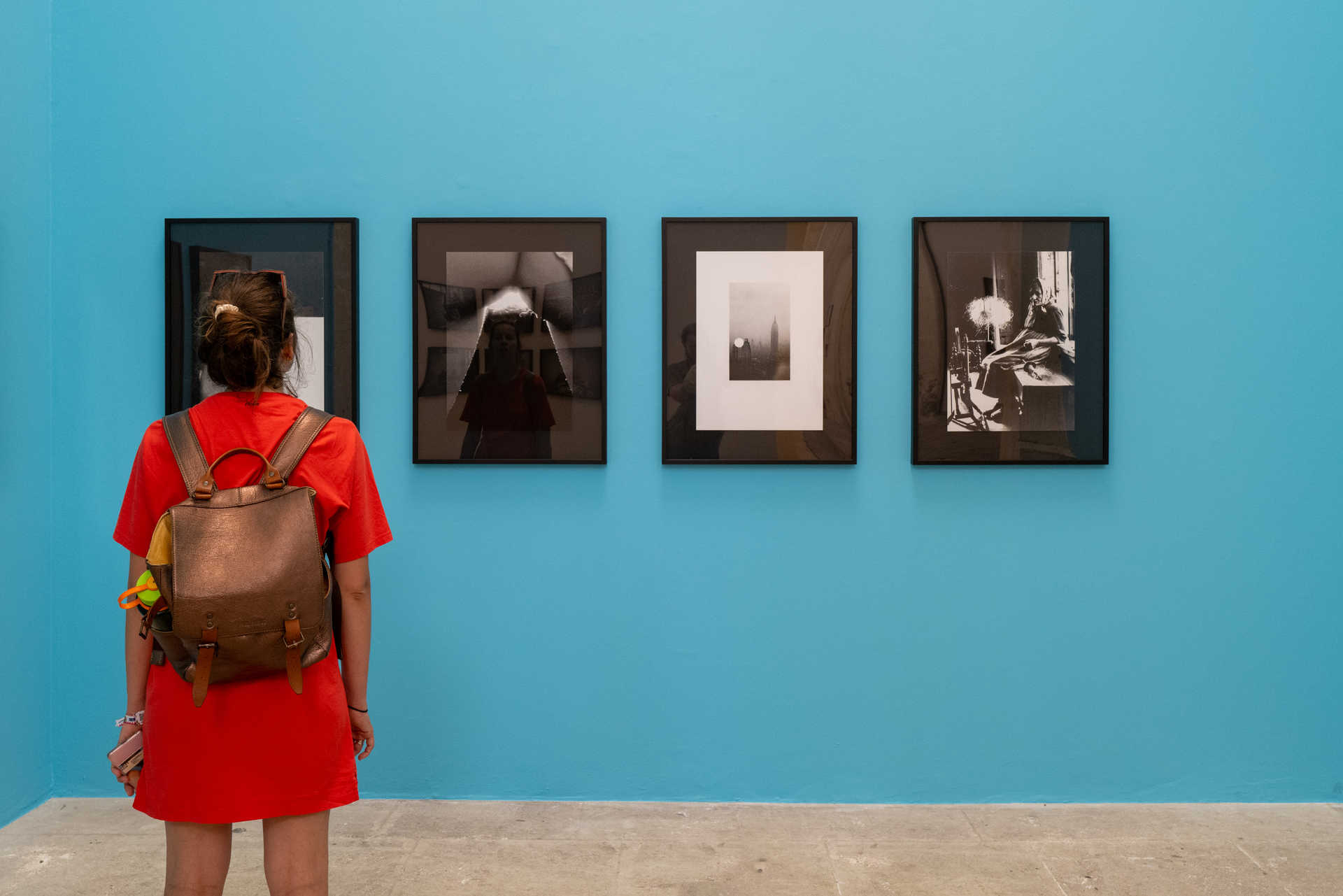
Although Arles is renowned for its ancient heritage and artistic history, the city also occupies a prominent place in the contemporary art world thanks to photography. For decades, the city has become an essential reference point in photography, attracting artists, collectors, enthusiasts and visitors from all over the world every year. This cultural dimension gives the city a unique energy, where historical tradition and modern artistic expression are in constant dialogue.
The famous Rencontres de la photographie d’Arles, organised every summer since 1970, transforms the city into a vast open-air gallery. Exhibitions, installations, film screenings and events take place in historic monuments, former industrial wastelands and heritage sites, offering a unique cultural experience. During this period, Arles buzzes to the rhythm of international visual arts and becomes a veritable artistic laboratory. Even outside the festival, this photographic identity remains strongly present through various exhibition spaces that contribute fully to the city’s cultural dynamism.
The Luma Tower, a symbol of contemporary art in Arles
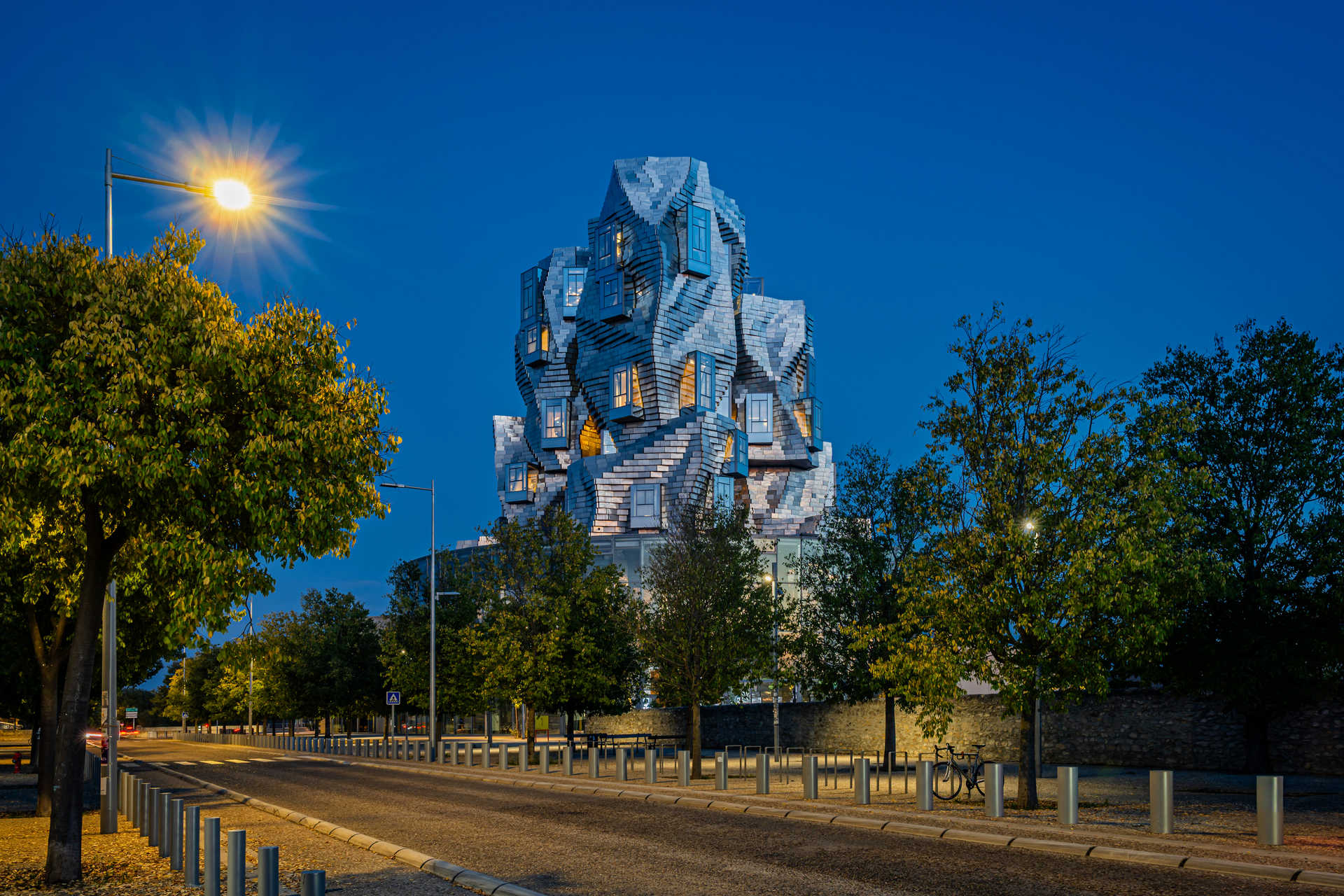
Situated in the heart of the Parc des Ateliers, the Luma Tower embodies the city’s new cultural identity and perfectly illustrates the growing role of contemporary art in Arles. This impressive structure, with its sculpted metal facades, designed by architect Frank Gehry, deliberately contrasts with the ancient stone buildings of the historic centre. This architectural audacity symbolises Arles’ ability to forge a dialogue between its thousand-year-old heritage and contemporary forms of artistic creation.
The Luma Tower is much more than just a building; it is a true centre dedicated to cultural experimentation. It hosts exhibitions, installations, performances and events that bring together international artists, researchers and lovers of contemporary art. A visit to the tower allows you to discover a different, more avant-garde side of Arles, which harmoniously complements the city’s Roman, Provençal and photographic identity. A visit to the tower is a must-see to fully experience the city’s cultural richness and artistic diversity.
Performances, festivals and events: Arles all year round
Arles is a city not just to visit, but to experience. Throughout the year, numerous events take place at its monuments and squares, setting the rhythm of local life and attracting visitors from across the region. With Provençal traditions, cultural events, live performances and folk festivals, the city of Arles offers a particularly lively atmosphere that enhances its authentic character.
The famous Arles féria is one of the city’s most iconic events. Held in the spring and after the summer holidays, it brings the streets to life with the sounds of bandas, parades and festive entertainment, bringing locals and visitors together in a convivial atmosphere. Numerous events take place in the arena throughout the year: Camargue horse races, horse shows, concerts and cultural events are held in this exceptional setting. This varied programme makes Arles a vibrant destination in every season, where historical heritage and local traditions come together to offer a unique experience.
Our personal tips for a successful daytrip to Arles

To make the most of your visit to Arles, we recommend starting your day with a visit to the tourist information office. There, you can pick up a detailed city map, find out the opening times of attractions and monuments, discover current exhibitions or events, and, if you wish, get advice on an itinerary that suits your preferences. This is particularly useful if you are visiting Arles during a busy event period, such as the férias or the Rencontres de la photographie.
It is best to set off early in the morning to take advantage of more pleasant temperatures, especially on sunny days, and to visit the main monuments before the crowds arrive. We recommend starting at the amphitheatre, then moving on to the ancient theatre and the other Roman ruins, and afterwards strolling through the historic centre at your own pace. After a lunch break at one of the many terraces in the city centre, you can spend the afternoon on the Van Gogh trail, visiting the photography exhibitions or the Luma Tower. A walk along the banks of the Rhône at the end of the day is a pleasant way to round off your visit.
Arles is best explored on foot: so make sure you wear comfortable shoes for walking along the cobbled streets and take your time exploring the different neighbourhoods. As the sun often shines brightly in Provence, it’s also important to bring plenty of water with you; remember to drink regularly, apply sun cream and bring a hat or cap to protect yourself from the heat.
Finally, don’t forget to check the city’s cultural programme in advance. Depending on when you’re visiting, you might be able to attend a special performance in the arena, discover an exhibition or experience the unique atmosphere of a feria. If you’re visiting Arles during the high season, it’s a good idea to book certain tickets in advance so you can make the most of your day.
What is there to see around Arles?
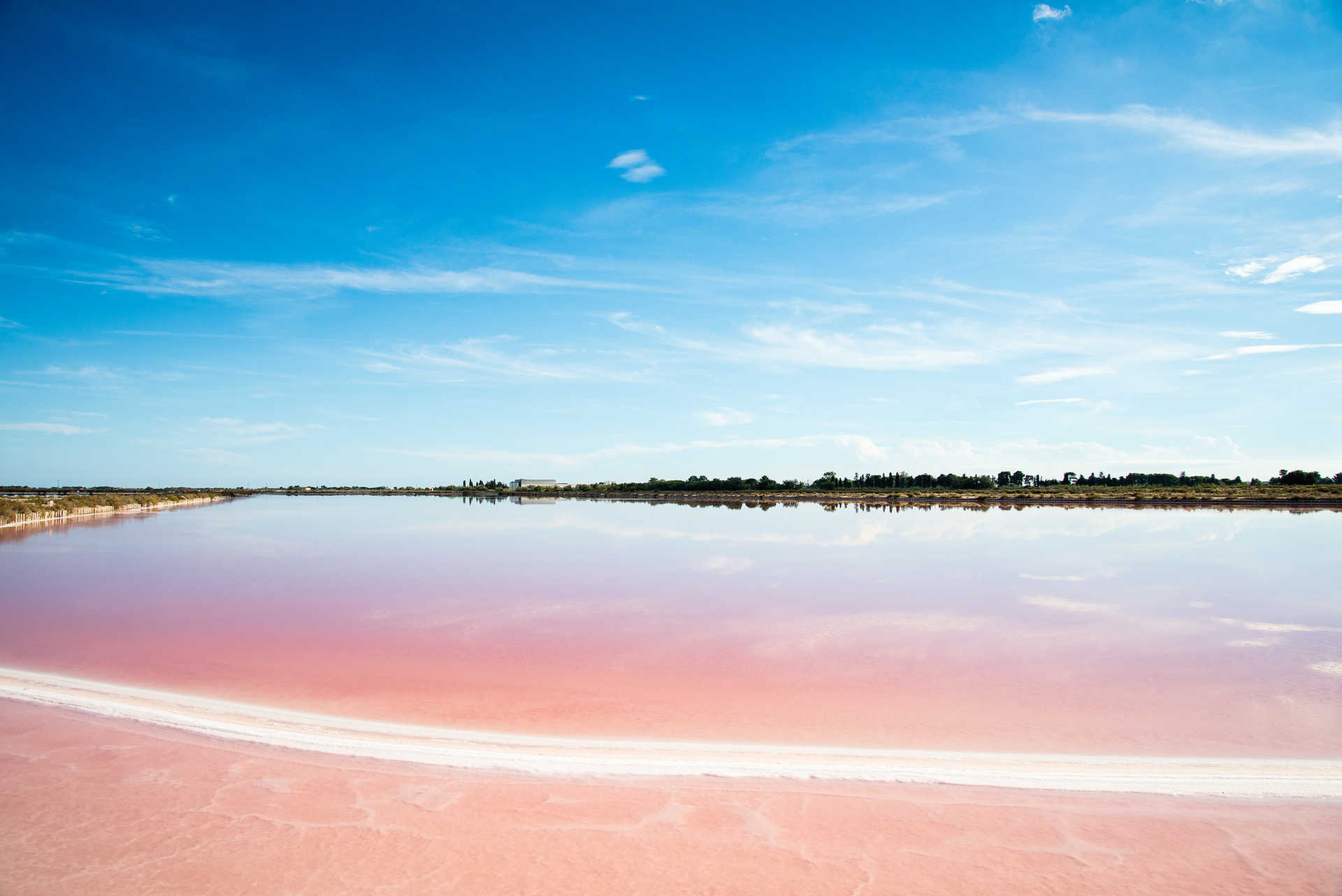
A visit to Arles can easily be extended with a tour of the beautiful surrounding countryside. The city lies on the edge of the Camargue and is an ideal starting point for exploring this natural region, renowned for its unspoilt nature reserves, marshes, flamingos and famous white horses. During a trip to the Camargue Regional Nature Park, you can discover a different side of Provence, one that is more authentic and closely connected to nature.
About a forty-minute drive from Arles lies the village of Les Saintes-Maries-de-la-Mer, which will enchant you with its Mediterranean atmosphere, sandy beaches and charming streets lined with shops, terraces and restaurants. It is the perfect place to unwind by the sea after a day of culture. Lovers of stunning views can also head to Salin-de-Giraud and the unspoilt beaches of Piémanson, or discover Montmajour Abbey, a majestic historic site just a few kilometres from the city centre. With unspoilt nature, heritage and sandy beaches, the area around Arles offers plenty of opportunities to make your stay in Provence even more varied.
Our holiday home, ideal for visiting Arles
A stay in our holiday home is an excellent base for a daytrip to explore Arles and then return to the peace and authenticity of Provence. The city is just 52 kilometres away, or about an hour’s drive, making it easy to visit the city to explore the Roman monuments, stroll through the historic centre, discover the museums or attend one of the many cultural events.
After a day of exploring Roman heritage, art and Provençal traditions, you’ll appreciate returning to our holiday estate to take a refreshing dip in the pool after a busy day. Our holiday home is an ideal base from which to explore the entire region: Arles, the Camargue, the Alpilles, Avignon and even the most beautiful villages of the Vaucluse are all within easy reach. Our holiday home is the ideal place to stay to combine cultural visits, local discoveries and the peaceful Provençal way of life during your stay.

Informations pratiques
- Tourist office Arles :
- Website LUMA Arles :
- Website Rencontres de la photographie d’Arles :
Map :
Other towns and villages to visit that may interest you
You can find other typical towns, villages and historic monuments to visit in Provence on our blog, such as: