


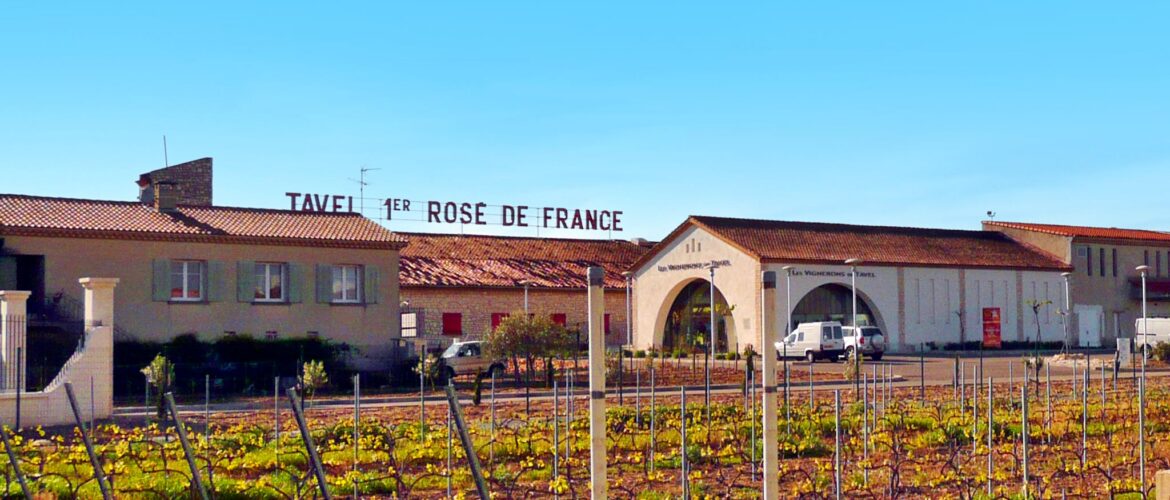
Situated between Avignon and the Pont du Gard, the Tavel vineyards are one of the jewels of the southern Rhône Valley. Renowned worldwide for its characterful rosés, the Tavel appellation boasts a rich history, an exceptional terroir and expertise passed down from generation to generation.
Unlike many wine-growing regions that produce various types of wine, Tavel stands out for its unique specialisation: here, the entire appellation is dedicated to the production of rosés. Tavel rosé wine captivates with its deep colour, aromatic richness and remarkable ageing potential, which often earns it the nickname ‘king of rosés’.
Whether you’re a wine lover, a heritage enthusiast or simply curious to discover the treasures of Provence and the Gard, a visit to the Tavel vineyards is an unmissable experience. From tastings at the estates to exploring the garrigue landscapes and day trips to neighbouring villages, this destination offers an authentic wine tourism experience at the heart of a region brimming with discoveries.
Where is the Tavel wine region located?
A prime location between the Rhône and the garrigue
The Tavel wine region is located in the Gard department, in the Occitanie region, on the right bank of the Rhône. It stretches mainly around the village of Tavel, some fifteen kilometres north-west of Avignon. This strategic location, at the crossroads of Provence, Languedoc and the Rhône Valley, makes it an easily accessible destination for visitors wishing to discover the region’s rich wine heritage.
The vineyard is surrounded by typical Mediterranean landscapes where vineyards, scrubland, olive groves and pine forests alternate. Several major tourist attractions are also in the immediate vicinity, such as Avignon and its famous Palais des Papes, Villeneuve-lès-Avignon and the Pont du Gard, allowing visitors to combine wine exploration with cultural visits.
The unique terroir of the Tavel appellation
The different types of soil
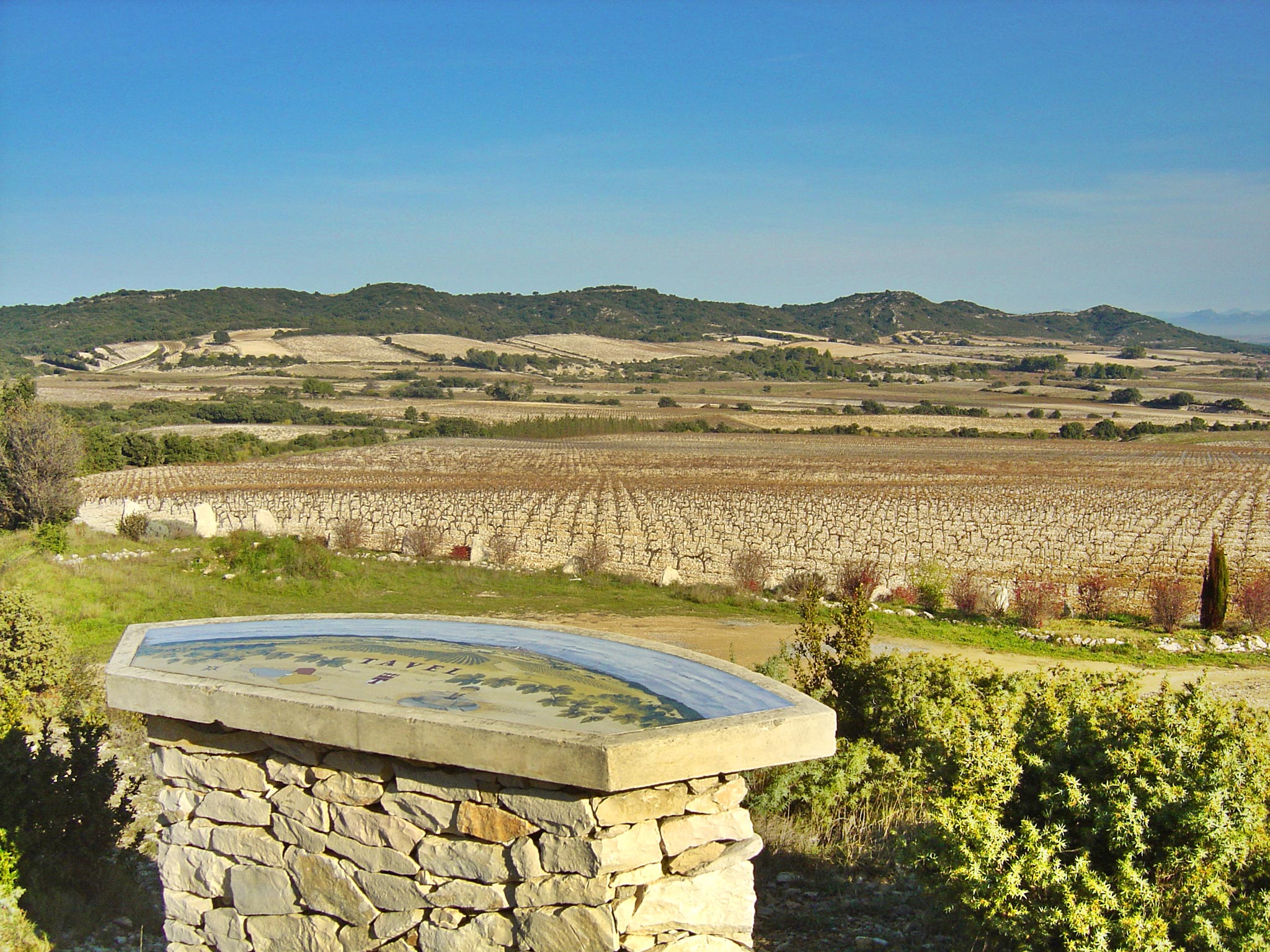
The terroir of Tavel is one of the factors that explains the reputation and uniqueness of the appellation’s wines. Unlike many vineyards characterised by a single dominant soil type, Tavel benefits from remarkable geological diversity. This richness enables winegrowers to produce complex and nuanced wines, whilst preserving the appellation’s distinct identity.
There are three main types of soil. The plateaus of rounded pebbles, a legacy of the ancient Rhône terraces, store heat during the day and release it to the vines at night, promoting optimal ripening of the grapes. The sandy areas, meanwhile, lend finesse and elegance to the wines. Finally, the limestone soils and lauzes—those flat stones characteristic of the region—contribute to the freshness and structure of the wines.
A diversity that shapes the character of the wines
This mosaic of soils is a real asset for winegrowers. Depending on their location within the vineyard, the plots express different characteristics that directly influence the aromas, texture and balance of the wines.
The Tavel terroir thus produces particularly expressive rosés, combining power, freshness and aromatic complexity. Notes of red fruit, citrus, spices and sometimes flowers develop thanks to this unique combination of geology, Mediterranean climate and human expertise.
This diversity also explains why Tavel wines stand out from the lighter rosés produced in other regions. They possess a structure and depth that allow them to accompany an entire meal and, for certain vintages, to improve with several years of ageing.
Tavel wines: the pinnacle of fine dining rosé
An appellation dedicated exclusively to rosé
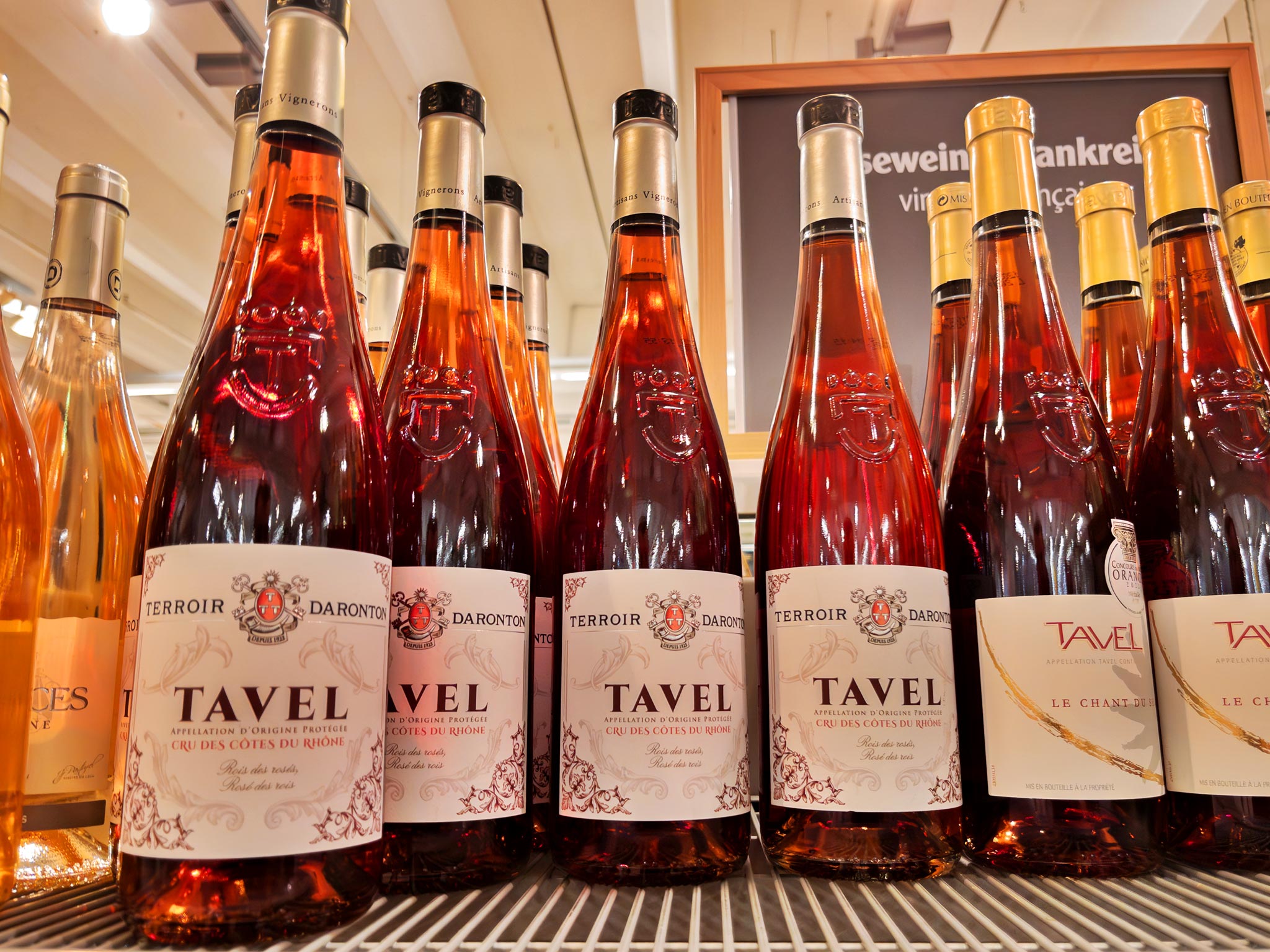
The Tavel appellation occupies a unique place in the French wine-growing landscape. Whilst most regions produce several types of wine, Tavel has chosen to devote itself exclusively to rosé. This specialisation, recognised by the Appellation d’Origine Contrôlée since 1936, has enabled the winegrowers to develop unique expertise and build the international reputation of their wines.
Far from the light rosés often associated with aperitifs, Tavel wines are crafted to accompany fine dining. Their assertive character, structure and aromatic richness mean they are perfectly suited to being served throughout the meal.
The appellation’s grape varieties
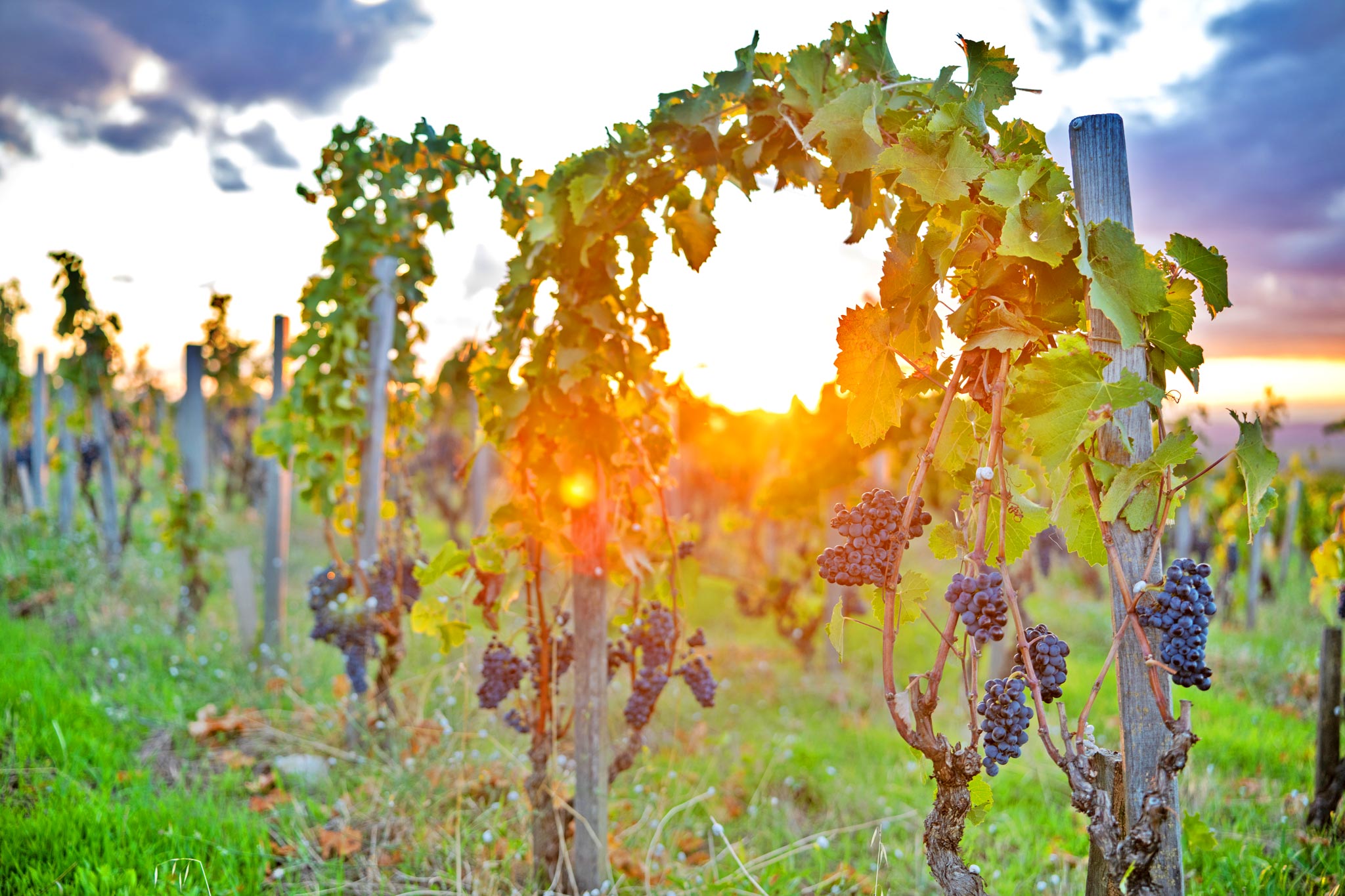
Tavel wines are made from a blend of several traditional Rhône Valley grape varieties. Grenache plays a dominant role, bringing richness, fruitiness and power. It is generally complemented by Cinsault, which contributes aromatic finesse, as well as Syrah and Mourvèdre, which enhance the structure and complexity of the wines.
This diversity of grape varieties, combined with the richness of the local terroir, enables producers to create balanced and expressive wines that fully reflect the identity of their appellation.
The profile of Tavel wines
Recognisable by their deep colour, ranging from salmon pink to ruby pink, Tavel wines are distinguished by their aromatic intensity. They generally develop notes of red fruits, such as strawberry, raspberry and cherry, to which hints of citrus, spices or flowers may be added, depending on the vintage and terroir.
On the palate, these wines offer lovely fullness, a firm structure and remarkable length. This richness allows them to pair equally well with grilled meats, Mediterranean cuisine, spicy dishes, and certain white meats or fish in sauce.
Unlike many rosés intended to be drunk young, the finest Tavel wines also possess real ageing potential. After a few years in the cellar, they develop more complex aromas that appeal to lovers of wines with character.
A leading destination for wine tourism in the Gard
The reputation of the Tavel appellation attracts many visitors every year, keen to discover the secrets behind its production. The tastings offered at the estates provide a better understanding of how the terroir, grape varieties and winemaking methods influence the style of the wines.
For wine tourism in the Gard, Tavel is an unmissable destination. Visits to the cellars, meetings with the winegrowers and the unspoilt vineyard landscapes offer an authentic experience that perfectly complements the exploration of the region’s cultural and natural heritage.
Which vineyards and wine cellars are worth visiting in Tavel?
The best way to explore the vineyards is, of course, via the famous Tavel Wine Route. This route takes you through the appellation’s wine-growing landscapes whilst introducing you to the winegrowers who bring this exceptional terroir to life. As you travel along the route, visitors can admire the vineyards, gain an understanding of the diversity of the terroirs, and discover the traditions that have shaped Tavel wines for generations.
The vineyards and wineries of Tavel offer a wide variety of experiences. Some family-run estates carry on a tradition of expertise passed down through several generations, whilst other vineyards offer more contemporary approaches to viticulture and winemaking. This diversity is what makes a visit so rewarding and ensures that everyone can find wines to suit their tastes.
Whether you’re a seasoned wine lover or simply curious, a wine tasting in Tavel is an unmissable experience. The cellars welcome visitors in a friendly atmosphere and offer the chance to discover the different styles of Tavel rosé, as well as the other appellations produced on the region’s estates.
The appellations most iconic estates
Click on the arrows to discover the details of the domains
Château d’Aquéria
Among the appellation’s most renowned estates, Château d’Aquéria holds a prominent place. Its history dates back to 1595, making it one of Tavel’s most iconic properties. Nestled in the heart of the garrigue, the estate covers nearly one hundred hectares spread across the Tavel and Lirac appellations, offering a remarkable diversity of terroirs.
Château d’Aquéria is particularly renowned for its Tavel rosés, produced in accordance with the appellation’s traditions whilst benefiting from modern facilities. Visitors can discover a remarkable historic setting and well-preserved vineyards, and enjoy tastings that allow them to appreciate the full richness and complexity of the estate’s wines.
Website : Château d’Aquéria
Domaine de la Mordorée
The Domaine de la Mordorée, a key name in the southern Rhône Valley, ranks among the most prestigious estates in the Tavel appellation. Founded in 1986 by Francis Delorme and his son Christophe, the estate has built a reputation over the years thanks to the outstanding quality of its wines and its deep respect for the terroir. Today, Madeleine and Ambre Delorme continue this demanding approach through organic and biodynamic farming.
The estate produces wines under several renowned appellations, notably Tavel, Lirac and Châteauneuf-du-Pape. The Tavel rosés are among the most sought-after in the appellation, with cuvées renowned for their aromatic intensity, elegance and ageing potential.
The wine cellar welcomes visitors all year round for tastings and guided tours of the vineyard. The hospitality, the unspoilt surroundings and the commitment to the environment make the estate a particularly appreciated stop on a tour along the Route des Vins de Tavel.
Website : Domaine de la Mordorée
Domaine Lafond Roc-Epine
Domaine Lafond Roc-Epine, which has been established in the heart of the appellation for several generations, is one of Tavel’s historic landmarks. The Lafond family has been growing vines in the region since the 18th century and today continues to demonstrate recognised expertise in the Tavel, Lirac, Châteauneuf-du-Pape and Côtes-du-Rhône appellations.
The estate is particularly prized for the quality of its Tavel rosé wines, made from a traditional blend of Grenache, Cinsault and Syrah. The diversity of the terroirs under cultivation — rounded pebbles, sand and clay-limestone soils — lends complexity and balance to the cuvées. The wines are distinguished by their red fruit aromas, floral notes and excellent ageing potential, characteristic of the great Tavel rosé wines.
Domaine Lafond Roc-Epine, which has been operating organically for several years, welcomes visitors to an authentic setting, right in the heart of the vineyards. During a tasting, you can discover the richness of the various appellations produced on the estate and appreciate the unique expression of each terroir.
Website : Domaine Lafond Roc-Epine
Château de Trinquevedel
Château de Trinquevedel, situated on the outskirts of Tavel on the road to Nîmes, is one of the appellation’s most iconic historic estates. This elegant 18th-century bastide, surrounded by 32 hectares of vineyards, has been owned by the Demoulin family since 1936. For four generations, the estate has upheld a demanding winemaking tradition and highlighted the unique identity of the Tavel and Lirac terroirs.
The vineyards are situated on soils consisting mainly of sand and rounded pebbles, particularly well-suited to the production of fine gastronomic rosé wines. The estate’s cuvées are distinguished by their finesse, freshness and aromatic complexity, with notes of red fruit, citrus and herbs that perfectly reflect the character of the Tavel appellation.
The wine cellar welcomes visitors for tastings and guided tours of the vineyard by appointment. The estate’s peaceful setting, architectural heritage and hospitality make it a much-loved stop on the Tavel Wine Route.
Website : Château de Trinquevedel
Domaine Maby
Domaine Maby, which has been based in Tavel since the 19th century, is a family-run business that has played a significant role in raising the profile of the Tavel and Lirac appellations. For generations, the Maby family has cultivated its vineyards with the ambition of producing wines that remain true to their terroir, whilst constantly improving cultivation methods and winemaking techniques. The estate, now run by Richard Maby, covers around sixty hectares, spread across the main appellations of the right bank of the Rhône.
The vineyards are planted on a wide variety of soils, comprising a mix of rounded boulders, sand and clay-limestone soils. Thanks to this geological richness, the estate is able to produce Tavel rosé wines renowned for their aromatic intensity, their balance and their suitability for pairing with food. Several of the estate’s cuvées are regularly awarded prizes by specialist guides and help to ensure the appellation’s reputation extends far beyond the Rhône Valley.
Domaine Maby is committed to organic farming and welcomes visitors to its tasting cellar all year round. By discovering the various cuvées of Tavel, Lirac and Côtes-du-Rhône, you can fully appreciate the diversity of the region’s terroirs and the expertise of a family of winegrowers deeply attached to their land.
Website : Domaine Maby
Domaine de la Genestière
The Domaine de la Genestière, now known as Château la Genestière, is one of the historic estates of the Tavel appellation. The estate stands on the site of a former 16th-century silk farm and still bears traces of its past in silk production, notably a large pond lined with plane trees that adds to the charm of the place. Viticulture began here in 1930 and the estate has gradually developed into a business that today cultivates almost 200 hectares, spread across several prestigious appellations in the Rhône Valley.
Tavel wines occupy a prominent place in the estate’s production. They are sourced from terroirs comprising rounded pebbles, sand and clay-limestone soils, and express the richness and fullness characteristic of the appellation. Grenache and Syrah play a key role here, producing balanced, flavourful wines that are particularly well-suited to fine dining.
The estate also stands out for its remarkable setting, where historical heritage and vineyard landscapes come together. During a visit, you will discover an iconic spot in Tavel whilst tasting wines that are representative of the great terroirs of the right bank of the Rhône.
Website : Château la Genestière
Domaine Amido
Domaine Amido is a family-run business with deep roots in the Tavel wine region. The estate was founded in 1987 by Christian Amido, building on the family vineyards, and is now run by his daughters, who passionately carry on the work that has been carried out for generations. This handover within the family helps to preserve the identity and authenticity of the wines produced on the estate.
The vineyard covers some twenty hectares, spread across the communes of Tavel, Lirac, Rochefort-du-Gard and Pujaut. The vineyards benefit from a wide variety of terroirs, comprising rounded boulders, limestone slabs and sandy soils, which are characteristic of this part of the Rhône Valley. This geological richness is reflected in the estate’s wines, which are renowned for their balance, their fullness and their faithful expression of the local terroir.
Lovers of characterful rosé wines will particularly appreciate the estate’s Tavel cuvées, which are made from the appellation’s traditional grape varieties. The wine cellar welcomes visitors by appointment for tastings, where you can discover the various appellations produced on the estate in a cosy and authentic atmosphere.
Website : Domaine Amido
Domaine des Carabiniers
Domaine des Carabiniers is a family-run estate renowned for its pioneering commitment to organic and biodynamic farming. The estate, situated on the right bank of the Rhône near Tavel, is currently run by Fabien and Magali Leperchois, who are continuing the work begun by their father, Christian. The vineyards have been farmed organically since 1997 and are certified biodynamic by Demeter, with particular attention paid to soil conservation and the expression of the terroir.
The vineyard covers approximately 50 hectares, spread across the Tavel, Lirac and Côtes-du-Rhône appellations. The plots are situated on varied terroirs of sand, slate and rounded pebbles, which lend the wines their character and complexity. The estate’s Tavel rosé wines are particularly appreciated for their aromatic richness, their balance and their ability to complement Mediterranean cuisine.
During a visit to the estate, you will discover an authentic and respectful approach to viticulture, where the pursuit of quality is based on a deep harmony with nature. The tastings offer the opportunity to discover the full diversity of the wines produced at this iconic estate in the southern Rhône Valley.
Website : Domaine des Carabiniers
Domaine Corne-Loup
Domaine Corne-Loup is an iconic family-run estate in Tavel, founded in 1966 by Jacques Lafond. The name refers to an old district of the village where, in the past, a resident was responsible for warning the population of the approach of wolves using a horn. Today, the estate is run by Géraldine Saunier-Lafond, who continues the family tradition whilst bringing her own vision to the art of winemaking.
The vineyard covers around forty hectares, spread across the Tavel, Lirac and Côtes-du-Rhône appellations. The plots benefit from the diversity of terroirs for which Tavel is renowned: rounded boulders, sandy soils and limestone-rich lauzes. Thanks to this geological richness, the estate is able to produce expressive wines that remain true to the identity of each appellation.
The Tavel rosés from Domaine Corne-Loup are particularly appreciated for their balance of power, freshness and flavour. The estate’s cuvées, which regularly win awards in competitions and specialist guides, perfectly illustrate the gastronomic style that has made the appellation’s reputation. During a visit to the wine cellar, you can discover these wines in a cosy and authentic atmosphere, in the heart of the village of Tavel.
Website : Domaine Corne-Loup
Domaine La Rocalière
Domaine La Rocalière is a family-run estate in the heart of the Tavel vineyards. The estate was founded in 1995 by Jacques Borrelly and is now run by his daughters, Séverine Lemoine and Mélanie Borrelly, who are passionately committed to building on the legacy of this estate, renowned for the quality of its wines and its deep respect for the terroir.
The vineyard covers dozens of hectares, spread across the Tavel, Lirac and Côtes-du-Rhône appellations. The plots are situated on a wide variety of soils, consisting of rounded boulders, sand and limestone-rich schist, enabling the production of particularly expressive wines. The estate is committed to organic and biodynamic farming, with a constant focus on environmental conservation and the natural expression of the terroirs.
Domaine La Rocalière’s Tavel rosé wines are among the cuvées most frequently praised by specialist guides. They captivate with their balance of power, freshness and aromatic finesse, whilst retaining the gastronomic character for which the appellation is renowned. During a tasting in the wine cellar, you can also discover the estate’s other wines in a cosy setting, amidst the typical landscapes of the southern Rhône Valley.
Website : Domaine de la Rocalière
Wine events not to be missed

If you had to choose just one wine event in Tavel, it would undoubtedly be the Couleur Tavel Festival. Held every July, this event is entirely dedicated to discovering and promoting the wines of the appellation. It celebrates the unique identity of Tavel, recognized as the first rosé in France to obtain the Appellation d’Origine Contrôlée (AOC) designation in 1936.
For one evening, the village’s narrow streets and squares welcome the appellation’s winemakers, who offer tastings of their various vintages. Visitors can meet the producers, discuss their craft with them, and discover the full range of expressions of Tavel rosé. The event attracts numerous wine enthusiasts each year from across the region and far beyond.
The Couleur Tavel Festival is more than just tastings. The festival typically features live music, food stalls, and a festive atmosphere that reflects the unique lifestyle of the Southern Rhône Valley. It is the perfect opportunity to discover the appellation in a convivial setting and enjoy pairings of Tavel wines with local specialties.
For wine tourists, a visit to the Couleur Tavel Festival is a particularly enriching experience. The event offers the chance to discover many producers from the appellation in a single evening and gain a deeper insight into what makes this special rosé so famous and unique in the French wine landscape.
In 2026, the festival will take place on July 18, 2026 in the gardens of La Condamine.
What to do around Tavel?
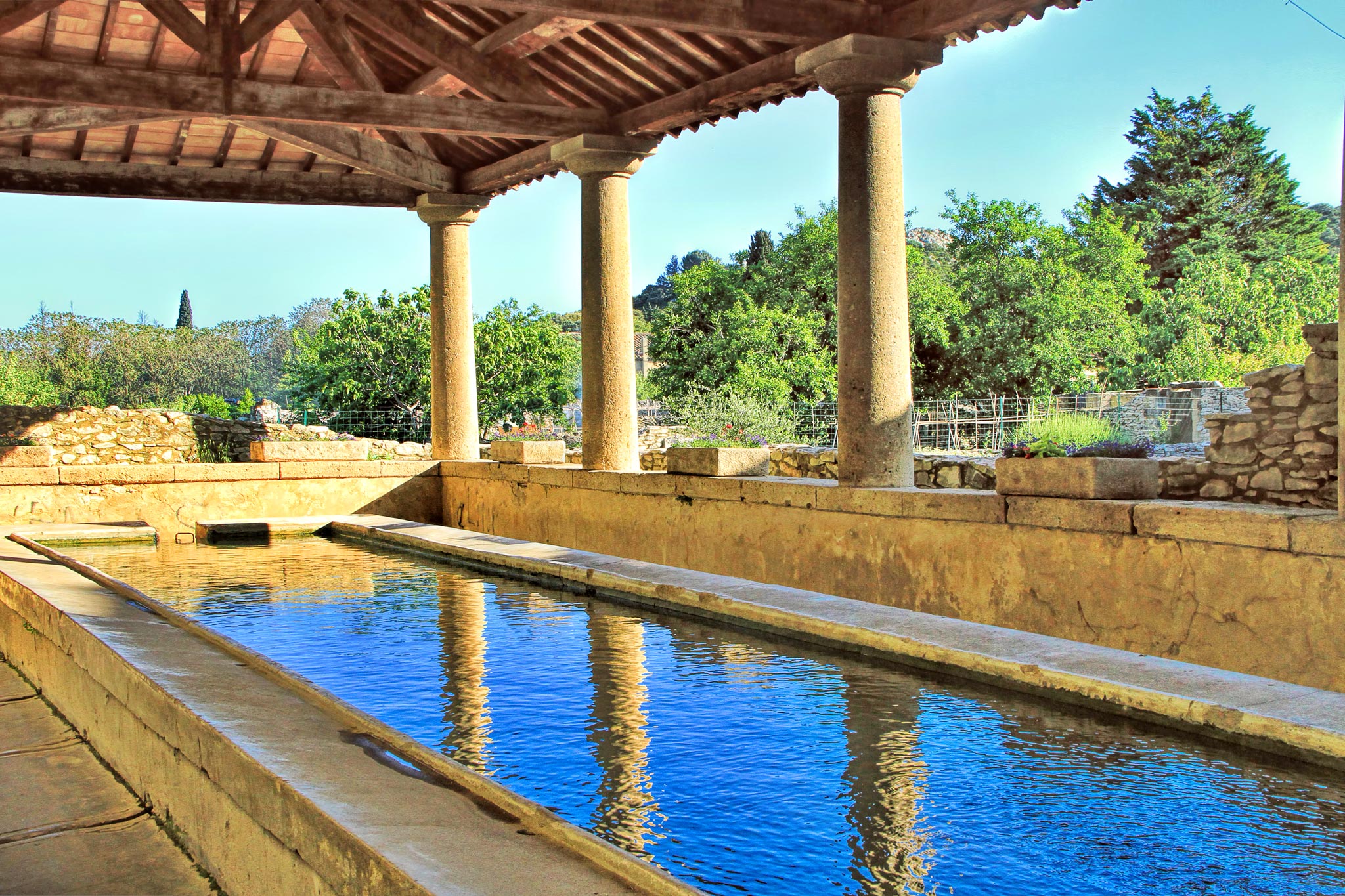
Discover the surrounding villages and historical sights
A visit to the vineyards of Tavel can easily be combined with an exploration of various important historical sites nearby. Thanks to its convenient location between the Gard and Vaucluse departments, the village is an excellent starting point for discovering an exceptional heritage shaped by more than two thousand years of history.
Just a few kilometers away, a visit to Avignon is highly recommended. This former papal city from the 14th century is home to the famous Palais des Papes, a UNESCO World Heritage Site, and the Pont Saint-Bénézet, better known as the Pont d’Avignon. The city walls, the narrow streets of the historic center, and the countless museums offer wonderful opportunities for exploration all year round.
Across the Rhône, a visit to Villeneuve-lès-Avignon is also certainly worthwhile. This charming medieval town features several remarkable monuments, including Fort Saint-André, the Chartreuse du Val de Bénédiction, and the Tour Philippe-le-Bel. From the higher parts of the city, visitors can enjoy a beautiful panoramic view of Avignon and the Rhône Valley.
Heritage enthusiasts can also visit the famous Pont du Gard, about thirty kilometers from Tavel. This Roman aqueduct, one of the most visited monuments in the South of France, bears witness to the architectural genius of the Roman Empire and is highly recommended during a stay in the region.
Finally, there are various charming villages worth visiting during your excursions, such as Roquemaure, Pujaut, and Laudun-l’Ardoise. Their historic centers, markets, and typical Mediterranean landscapes offer a glimpse into another side of this region, rich in history and traditions.
Discover the other vineyards of the region
A visit to the cellars and estates of Tavel is often the starting point for a broader exploration of the great vineyards of the southern Rhône Valley. Within a few kilometers, wine lovers can discover several renowned appellations, each with its own identity and flavor profile.
In the immediate vicinity of Tavel lies the Lirac appellation, a historic neighbor whose vineyards share a similar terroir consisting of rolled pebbles, sand, and limestone. Here, visitors discover a varied production of red, white, and rosé wines, an interesting complement to the rosé wines of Tavel.
A few kilometers further north lies Châteauneuf-du-Pape, one of the most prestigious appellations in France. This vineyard, dominated by the ruins of the castle built by the Popes of Avignon, is known for its powerful and complex red wines, but also produces high-quality white wines. A visit to the estates and the village is a key step for wine tourism enthusiasts.
Wine lovers can continue their journey of discovery in the numerous appellations of the Côtes-du-Rhône that the region boasts, such as the vineyards of Gigondas and Vacqueyras. These vineyards offer a great diversity of landscapes, terroirs, and wine styles, providing a deeper insight into the rich viticultural past of the Rhône Valley.
By spending a few days in the region, it is possible to organize a true wine tour connecting the cellars and estates of Tavel with other renowned names in the Rhône Valley, while also enjoying the many historical sights, charming villages, and remarkable landscapes that make this destination so captivating.
Outdoor Activities
In addition to the vineyards and historical heritage, the Tavel region offers countless opportunities for outdoor activities. Amidst scrubland, hills, Mediterranean forests, and the banks of the Rhône, the diverse landscapes invite discovery and relaxation in every season.
Hiking enthusiasts will find many marked trails to explore the surroundings of the village. These routes wind through vineyards, pine forests, and the natural environment typical of the Rhône Valley, offering beautiful views of the vineyard slopes and surrounding villages. In spring and autumn, these walks allow you to fully enjoy the colors and scents of the scrubland.
The region is also ideal for cycling. The narrow roads winding between the vineyards of Tavel, Lirac, and Châteauneuf-du-Pape offer perfect terrain to discover the landscape at your own pace. Sporty cyclists can explore the surrounding hills, while families will appreciate the more accessible routes through the heart of the vineyards.
Nature lovers can also enjoy the nearby protected areas, including the banks of the Rhône and various nature reserves rich in flora and fauna. Birdwatching, landscape photography, or simply a quiet break allow visitors to fully appreciate the ecological diversity of this region.
Finally, the area around Tavel offers countless opportunities to combine outdoor activities with discovering local heritage. A walk through the vineyards can easily be extended with a visit to a charming village, a winery, or a Provençal market, for a complete immersion in the french lifestyle.
Holidays near the Tavel vineyards
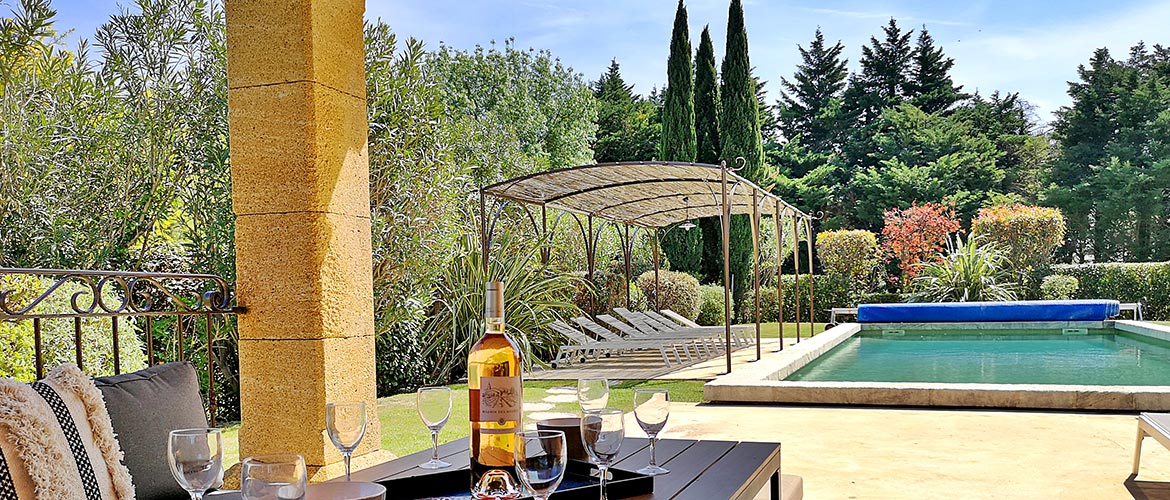
A visit to the vineyards of Tavel deserves more than a simple day trip. Between visiting estates, tasting wines, exploring charming villages, and discovering the many tourist attractions in the area, several days are often needed to fully appreciate the richness of this region in the Rhône Valley.
By booking a holiday home near Tavel, you can easily explore the various vineyards and also discover Avignon, Villeneuve-lès-Avignon, the Pont du Gard, and the famous Provençal villages of the Vaucluse. It is also an excellent opportunity to taste local specialties and experience the rhythm of the Mediterranean landscape.
Our holiday home, 35 km from Tavel, is an ideal starting point for exploring the vineyards of Tavel and the many sights in the region. Located a short distance from the main wineries, it offers a comfortable and peaceful environment to relax after a day of sightseeing and wine tasting. Whether you are a wine lover, have a passion for heritage, or are simply looking for an authentic stay in Provence, a stay near the vineyards of Tavel introduces you to one of the most beautiful wine tourism destinations in the South of France.
Our personal tips for visiting the Tavel vineyards

To make the most of your exploration of Tavel, we recommend setting aside at least half a day, or even a full day if you wish to visit multiple vineyards. The cellars are generally very welcoming, but it is advisable to book tours in advance, especially during the summer season.
If you prefer to take your time, opt for a tasting in the morning. Temperatures are more pleasant then, and the vineyards are often less crowded. You can then have lunch at one of the nearby restaurants and continue your exploration with a walk through the vineyards or a visit to Avignon and Villeneuve-lès-Avignon.
Do not hesitate to compare different wines during your visit. Each producer expresses the richness of the Tavel terroir in their own way, and it is often surprising to see how much the wines can differ from one vineyard to another, while still retaining the unique identity of the appellation.
Finally, if you are staying in the region for several days, you can combine a visit to Tavel with a trip to the neighboring vineyards of Lirac and Châteauneuf-du-Pape. These three appellations, located just a few kilometers apart, offer a remarkable overview of the diversity of wines from the southern Rhône Valley.
And of course, for your health and safety, drink in moderation.
Information Tavel
Website Tavel Gard Tourism : https://www.tourismegard.com/destination/villes-villages/encore-plus-de-villes-et-villages/tavel/
Website of the Tavel Appellation Winegrowers’ Association : http://www.vin-tavel.com/fr/
Map :